If your house roof is older, your roof has been through a lot. Houston summers, Gulf humidity, hailstorms, and a few hurricanes will do that. Older homes were also built with roofing standards that just don’t hold up the same way modern materials do.
This guide walks you through the real problems older Houston roofs face, what you can repair, and when replacement is the smarter move.
Why Older Homes in Houston Struggle With Their Roofs
Roofs age everywhere, but Houston speeds up the process. Three things work against your roof at the same time.
Heat bakes the shingles all day. Humidity never really leaves the air. And heavy rain shows up fast and hard, sometimes several inches in an afternoon. Constant heat exposure dries out shingles, causes materials to expand and contract, and leads to cracking, warping, and early deterioration.
Older homes have another problem on top of this. They were built decades ago, using building codes and materials that were normal at the time but weak by today’s standards. Ventilation was an afterthought in a lot of these homes. Flashing was often nailed down instead of properly sealed. Underlayment was thinner. None of that was a big deal when the roof was new, but 20, 30, or 40 years of Houston weather changes everything.
If your home was built before double-pane windows and radiant barriers became standard, there’s a good chance your roof deck and attic setup need a second look too.
Common Roofing Problems in Older Houston Homes
Here’s what shows up again and again on older roofs across Houston, from Sharpstown to The Heights to Katy.
Damaged or Missing Shingles
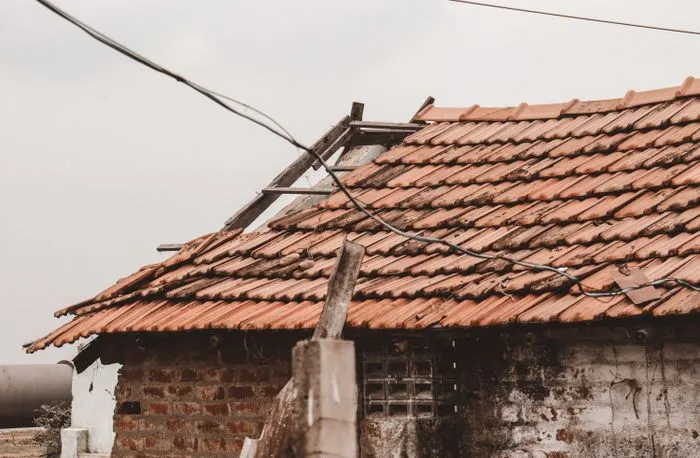
Shingles crack, curl, and lose their granules over time. Once granules wash away, the asphalt underneath has no protection from UV rays. On older roofs, you’ll often see whole sections where shingles are missing entirely, usually from wind or age-related adhesive failure.
Deteriorated Flashing
Flashing is the metal strip that seals joints around chimneys, vents, skylights, and roof valleys. It’s one of the most common failure points on older homes. Old flashing rusts, pulls away from nail holes, or was installed with tar instead of proper sealing methods. Once flashing fails, water gets a direct path into your attic.
Roofing Materials That Have Simply Broken Down
Every roofing material has a shelf life. Older asphalt shingles were not built to the same wind and heat standards as today’s architectural shingles. After enough sun exposure, the asphalt mat becomes brittle. At that stage, even light foot traffic or hail can crack it.
Weak or Outdated Attic Ventilation
Many older Houston homes were built with minimal soffit and ridge venting, or none at all. Without a way for hot, moist air to escape, your attic turns into an oven in summer and a moisture trap year round.
Rotted or Sagging Roof Decking
When water gets past the shingles and flashing, it soaks into the wood decking underneath. Over years, this causes rot, soft spots, and sometimes visible sagging. This is one of the more serious issues because it affects the structure, not just the surface.
Worn-Out Underlayment
Underlayment is the layer between your shingles and the deck. Older homes often used felt paper, which breaks down faster than the synthetic underlayment used today. Once it fails, your only line of defense against leaks is the shingles themselves.
How Houston’s Climate Speeds Up Roof Aging
It helps to understand exactly what’s working against your roof, because it explains why “the roof looks fine” from the ground isn’t always true.
Heat and UV rays. Houston roofs sit in direct sun for long stretches, especially in summer. UV radiation breaks down the oils in asphalt shingles, making them brittle and prone to cracking.
Humidity. Warm, humid air gets trapped in attics that don’t vent well. That moisture condenses on the underside of the roof deck, leading to mold, mildew, and slow wood rot that you can’t see from inside your house.
Heavy rainfall. Houston receives approximately 50 inches of rain a year, according to the National Weather Service’s Advanced Hydrologic Prediction Service, which is well above the national average. That much water tests every seam, flashing point, and gutter on your roof, year after year.
Storms and hail. Gulf Coast storms bring high winds and hail on a regular basis. Even a single hailstorm can bruise shingles in ways that aren’t obvious until a leak shows up months later.
Put these together and you get a simple fact: a roof that might last 25 to 30 years in a drier, cooler part of the country often needs attention closer to the 15 to 20 year mark here in Houston.
Signs Your Old Roof Needs Repair Right Now
Some problems can wait for a scheduled inspection. Others need attention immediately. Watch for these signs.
- Water stains spreading across your ceiling or upper walls
- Granules collecting in your gutters or at the base of downspouts
- Shingles that are curling, cracking, or missing in patches
- Daylight visible through your roof boards when you check the attic
- A musty smell in the attic or top-floor rooms
- Sagging spots anywhere on the roofline
- Rusted, lifted, or cracked flashing around chimneys and vents
One or two of these on their own might just need a targeted fix. Several at once usually means the whole system is under stress. If you’re not sure what you’re looking at, a roof inspection checklist for Houston homes is a good place to start before you call anyone out.
Repairing an Old Roof in Houston: What Actually Works
Not every problem on an old roof means you need a full replacement. A lot of issues can be fixed directly, especially if you catch them early.
Fixing Roof Leaks
Leaks almost always trace back to one of three things: broken flashing, damaged shingles, or a failed seal around a roof penetration like a vent pipe. Finding the actual source can take some digging, since water often travels sideways along the deck before it drips down somewhere else entirely. This is why a leak on your kitchen ceiling might actually start two rooms over on the roof.
Repairing Shingle Damage
Individual damaged shingles can be pulled and replaced without touching the rest of the roof, as long as the surrounding shingles are still in decent shape. If damage is scattered across multiple sections, patch repairs start costing more than they’re worth, and that’s usually a sign the roof is getting close to the end of its life.
Fixing Deteriorated Flashing
Flashing repair usually means removing the old metal, cleaning the area, and installing new flashing with a proper seal, not just tar or caulk slapped over the old piece. This is a common repair on older Houston homes because flashing tends to fail well before the shingles do.
Addressing Rotted Decking
If moisture has reached the wood underneath your shingles, that section of decking usually needs to be cut out and replaced before new shingles go down. Skipping this step means new shingles sitting on top of soft, weak wood, which won’t hold up long.
If you’re dealing with any of these issues, working with a roof repair specialist in Houston who understands older homes specifically makes a real difference. Older roofs often have quirks, like non-standard decking thickness or outdated flashing styles, that a general contractor might not catch.
Improving Roof Ventilation in Older Homes
This is one of the most overlooked fixes for older Houston homes, and one of the most valuable.
Good attic ventilation works on a simple idea: cool air comes in low, through soffit vents, and hot, moist air goes out high, through ridge or roof vents. This constant airflow keeps your attic closer to outdoor temperature and stops moisture from building up.
The building industry has long used the FHA and HUD 1/300 rule, which calls for 1 square foot of net free ventilation area for every 300 square feet of attic floor space, split between intake and exhaust. Some local codes require the stricter 1/150 rule instead, which doubles the minimum ventilation needed. The current International Residential Code, Section R806.2, requires at least 40 percent of that ventilation area to come from low vents like soffits and at least 40 percent from high vents like ridge vents, so air actually flows from bottom to top instead of just sitting there.
Most older Houston homes fall short of this. They were built before energy codes paid this much attention to attics, and many still rely on a couple of small gable vents that do almost nothing on their own.
Signs your attic ventilation isn’t working:
- Your attic feels noticeably hotter than the outside air on a summer afternoon
- Your energy bills run high during peak heat months
- You notice moisture, mold, or a musty smell up there
- Your shingles are curling or aging faster than they should for their age
Adding continuous soffit vents along with a ridge vent is usually the most effective upgrade for an older home, and it often pays for itself through lower cooling costs alone.
Roof Replacement for Older Homes: When It Makes More Sense Than Repair
At some point, patching an old roof stops making financial sense. Here’s how to think about the decision.
Age is the first factor. Standard three-tab shingles typically last 15 to 20 years, while architectural shingles often perform well for 20 to 30 years under proper conditions. Given Houston’s climate, most homeowners here land on the shorter end of those ranges. The Asphalt Roofing Manufacturers Association notes that residential roofs older than 20 years often need a new roof.
Repeated repairs are the second factor. If you’ve called out a roofer three or four times in the last couple of years for different leaks, that’s your roof telling you it’s failing in more places than one at a time.
Widespread damage is the third factor. A single cracked shingle is a repair. Curling shingles across most of the roof, heavy granule loss in every gutter, or multiple leak points at once usually point to full replacement rather than another patch job.
Structural signs mean it’s urgent. Visible sagging in the roofline or rafters is not something to wait on. That needs a professional evaluation right away, since it can point to deck or framing damage underneath.
A simple way to think about it: if repair costs are creeping toward half of what a full replacement would cost, replacement is almost always the better long-term value.
What to Expect When Replacing an Old Roof
Replacing a roof on an older home is a bit more involved than a straightforward tear-off and reshingle, mainly because of what’s often hiding underneath.
Deck inspection comes first. Once the old shingles come off, the crew checks the plywood or wood plank decking underneath. Older homes sometimes have decking that doesn’t meet current spacing or thickness standards, and any rotted sections get replaced before new material goes down.
Ventilation gets addressed. This is the ideal time to add proper soffit and ridge venting if your home doesn’t already have it, since the roof is already open.
Flashing gets rebuilt. New flashing goes in around chimneys, vents, and valleys rather than reusing old pieces, which is one of the biggest long-term leak preventers.
Permits matter. Houston and surrounding municipalities generally require permits for full roof replacements. A licensed roofing contractor handles this as part of the job, so it’s worth confirming this is included before work starts.
Choosing the Right Roofing Materials for Old Houston Homes
Not every material performs the same way here. A few things worth knowing.
- Architectural asphalt shingles are the most common choice for Houston homes and offer a good balance of cost, wind resistance, and lifespan.
- Metal roofing handles heat, UV exposure, and wind well, and reflects more sunlight than dark asphalt, which can lower attic temperatures.
- Lighter-colored shingles reflect more heat than dark ones, which can help reduce shingle surface temperature during peak summer months.
- Impact-resistant shingles are worth considering given how often hail shows up along the Gulf Coast. Some insurance providers offer premium discounts for them, so it’s worth asking your provider directly.
Whatever material you pick, proper installation matters more than the product itself. A well-installed mid-range shingle roof will usually outlast a poorly installed premium one.
How to Keep Your New or Repaired Roof Lasting Longer
A roof isn’t a “set it and forget it” part of your home, especially in Houston.
- Get a professional inspection once a year and after any major storm
- Clean your gutters regularly so water actually drains instead of backing up under shingles
- Trim back tree branches that hang over the roofline
- Check your attic a couple of times a year for moisture, heat buildup, or daylight coming through the deck
- Address small repairs quickly instead of waiting for them to spread
These habits are simple, but they’re the difference between a roof that lasts its full expected lifespan and one that fails early.
Do You Need a Professional Inspection First?
If you’re unsure whether your older home needs a repair or a full replacement, don’t guess based on what you can see from the driveway. Most roof damage starts in places you can’t spot from ground level, like under ridge caps, behind chimneys, or inside the attic itself.
A proper inspection covers the shingles, flashing, ventilation, gutters, and attic condition, and it gives you a clear answer instead of a guess. It’s also the smartest first step before budgeting for any repair or replacement project.
Older Houston homes carry a lot of character, and their roofs have usually earned their wear. But heat, humidity, and age don’t slow down just because a roof still looks okay from the street. Catching problems early, whether that’s a section of damaged shingles or an attic that’s never had proper ventilation, keeps small issues from turning into structural ones. Whether your roof needs a targeted repair or it’s finally time for a full replacement, getting an honest, professional look at what’s actually happening up there is the smartest move you can make for your home.
If you’re dealing with an aging roof and want a straight answer on repair versus replacement, reach out to the team at HRI Roofing. They work with older Houston homes regularly and can walk you through exactly what your roof needs, without the upsell.
FAQs
How long do roofs typically last on older Houston homes?
Most asphalt shingle roofs in Houston hold up for 15 to 20 years, sometimes a bit longer with architectural shingles and good maintenance. Heat, humidity, and storms tend to shorten that window compared to cooler, drier regions.
Can I repair an old roof instead of replacing it?
Often, yes. If the damage is limited to a few shingles, one section of flashing, or a single leak point, repair usually makes sense. Widespread damage, multiple leaks, or a roof already past 20 years old usually points toward replacement instead.
What are the most common signs of roof damage on older homes?
Missing or curling shingles, granules piling up in gutters, water stains on ceilings, a musty attic smell, and visible daylight through the roof deck are the most common warning signs.
Why is ventilation such a big deal for older Houston homes?
Older homes were often built with minimal attic ventilation. Without enough airflow, heat and moisture get trapped, which speeds up shingle aging and can lead to mold and wood rot that you won’t notice until it’s serious.
How often should I get my roof inspected?
Once a year is a good baseline, plus an extra check after any major storm or hailstorm. Regular inspections catch small problems while they’re still cheap and easy to fix.
Does homeowners insurance cover roof repair or replacement in Houston?
It depends on the cause of the damage and your specific policy. Storm and hail damage are commonly covered, while damage from age and normal wear usually isn’t. Check your policy details or ask your provider directly before filing a claim.