Most homeowners only think about their roof when a stain shows up on the ceiling. By then, the damage is already done, and you are looking at a repair bill that could have been a lot smaller.
Houston does not go easy on roofs. Between the summer heat, the rain, the humidity, and hurricane season, your roof takes a beating every single year. A solid roof inspection checklist for Houston homes is the difference between catching a small problem early and paying for a full roof replacement a few years too soon.
This guide walks you through everything you need to check, twice a year, to keep your roof in good shape. Whether you do it yourself or bring in certified inspectors, you will know exactly what to look for and why it matters.
Why Houston Homes Need Two Roof Inspections a Year
You do not need to inspect your roof every month. But twice a year is not optional if you live in Houston. Here is why.
The heat is brutal on shingles
Summer roof surface temperatures in Houston regularly climb past 150 degrees. That is not the air temperature, that is what your shingles are sitting in all day. Over time, this heat dries out asphalt shingles, causes granule loss, and makes the material brittle. Brittle shingles crack easier during storms and wind events.
Rain adds up fast
Houston gets around 50 inches of rain a year, which is more than almost any other major city in the country, according to National Weather Service climate data. That much water finds every weak spot in your roof, from a lifted shingle to a cracked seal around a vent pipe.
Hurricane season is six months long
Atlantic hurricane season runs from June 1 to November 30. Wind gusts during storms can lift shingles at the edges and rip flashing loose. The Federal Emergency Management Agency notes that wind and water damage after storms are among the most common causes of residential roof claims in Gulf Coast states.
Humidity never really goes away
Gulf Coast humidity works its way into attics and under roofing material slowly. You will not see it happen. You will just notice a musty smell or a soft spot months later if nobody catches it early.
This is exactly why a roof health checklist for homeowners in Houston needs two checkpoints a year instead of one. One inspection catches what winter left behind. The other catches what a full storm season did to your roof.
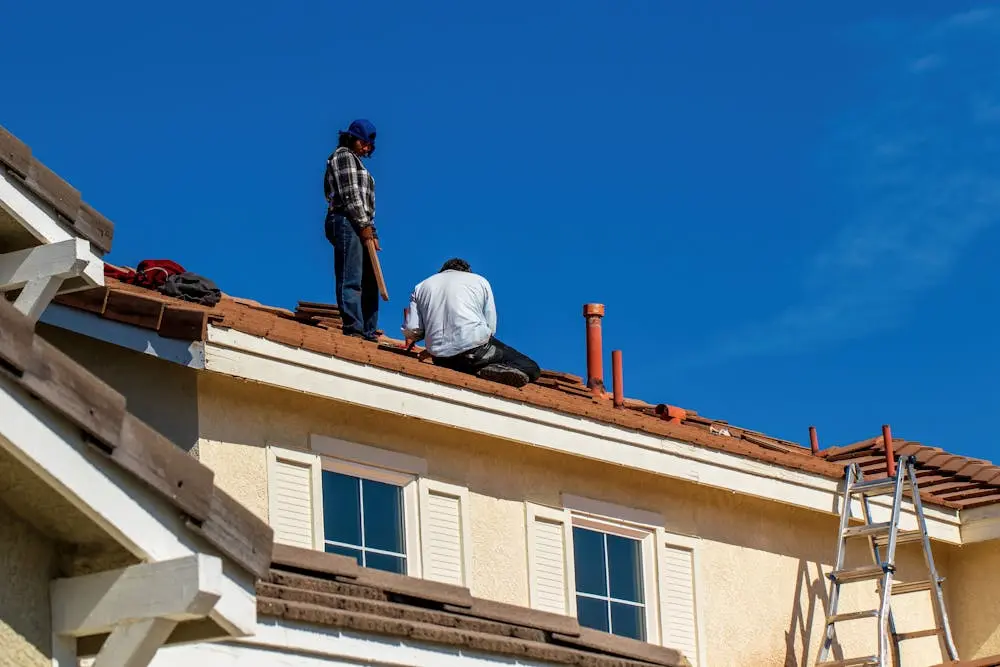
Best Times to Schedule Your Roof Inspection Houston TX
Spring, before hurricane season starts
Aim for April or May. This is the single most important inspection on your calendar. It gives you time to fix small issues before hurricane season officially begins on June 1. If your roof has a weak spot, you want it patched before a tropical storm finds it for you.
Fall, once hurricane season winds down
October or November is your second checkpoint. This inspection tells you what the summer heat and any storms did to your roof. It is also the right time to plan repairs before winter weather rolls in.
Right after any major storm
If Houston takes a direct hit from a hurricane, tropical storm, or hailstorm, do not wait for your next scheduled visit. Get your roof checked within a few days. Wind and hail damage is often invisible from the ground, and waiting even a week can let a small leak turn into a bigger structural issue.
Common Houston Home Roof Types and What Owners Should Know
Asphalt shingles
This is what covers most homes across Houston, Katy, Sugar Land, Cypress, and Pearland. Asphalt shingles are affordable and easy to repair, but Houston heat shortens their lifespan compared to cooler climates. Expect 15 to 20 years from a well-maintained asphalt roof.
Metal roofing
More homeowners are switching to metal for its durability and wind resistance. Metal roofs can last 40 to 50 years, but seams and fasteners still need regular checks.
Tile roofing
Common on higher-end homes, especially in Mediterranean-style neighborhoods. Tile handles heat well but individual tiles can crack from hail or foot traffic, and once one tile breaks, water can get underneath quickly.
Flat and low-slope roofs
Found on additions, garages, and some modern homes. These need extra attention to drainage since water does not run off as fast as it does on a sloped roof.
The Complete Roof Inspection Checklist for Houston Homeowners
This is the part you came for. Walk through each section during your spring and fall checks.
Shingles and Roof Surface
- Look for missing, cracked, or curling shingles across the whole roof, not just the front.
- Check for granule loss. If you see a buildup of gritty, sandy material in your gutters, your shingles are wearing down.
- Look for dark streaks or patches, which usually mean algae or moss growth.
- Check for bald spots or shiny patches where the protective granules have worn off completely.
Flashing and Seals
- Inspect flashing around chimneys, skylights, and any roof-to-wall connections.
- Look for rust, cracks, or gaps where flashing has pulled away from the surface.
- Check the sealant around every vent pipe and roof penetration. Cracked or dried-out sealant is one of the easiest and cheapest fixes when caught early, and one of the most expensive leaks when ignored.
Gutters and Drainage
- Clear leaves, twigs, and granules out of your gutters.
- Make sure downspouts direct water away from your foundation, not straight down next to it.
- Check for gutters pulling away from the fascia board, sagging, or overflowing during rain.
Attic and Interior Signs
- Go into your attic with a flashlight and look for daylight coming through the roof deck.
- Check for damp insulation, water stains on the wood, or a musty smell.
- Inside the house, look at ceilings and walls near the roofline for staining, bubbling paint, or soft drywall.
Roof Structure and Ventilation
- Check that your roof line looks straight from the ground, with no sagging or dipping sections.
- Make sure attic vents are clear and not blocked by insulation or debris. Poor ventilation traps heat and moisture, which shortens the life of your shingles from underneath.
Storm and Wind Damage Check
- After any storm, look for lifted or missing shingles, especially near roof edges and corners where wind pressure is strongest.
- Check for small circular dents on shingles, which is a sign of hail impact.
- Look around your yard for granules, shingle pieces, or metal flashing that blew off during the storm.
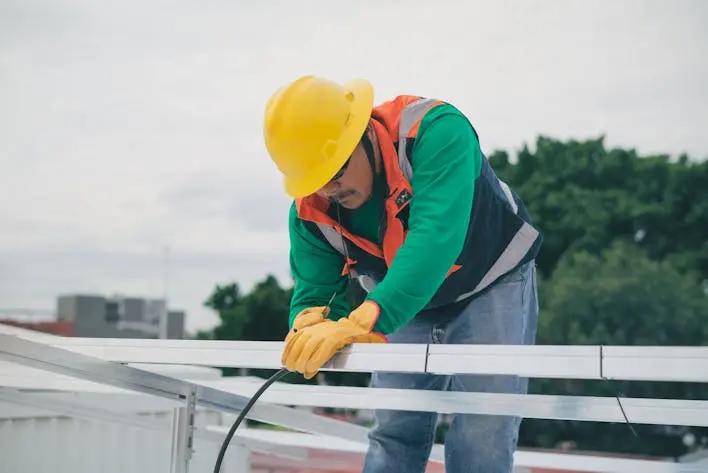
Home Inspection Checklist in the Greater Houston Area: Where the Roof Fits In
Your roof is not the only thing on a full home inspection checklist in the Greater Houston area, but it is usually the most expensive item to fix if it fails. A general home inspector will check your roof, but they typically only look from the ground or take a quick walk on the surface. That is why a dedicated roof inspection, done separately from your general home inspection, catches details a broader checklist misses. If you are buying, selling, or just maintaining your home, pairing a full home inspection with a focused roof inspection gives you the clearest picture of your property’s condition.
Common Roof Problems Houston Homeowners Run Into
Heat-related shingle damage
Constant expansion and contraction from Houston’s heat cycles causes shingles to crack, curl, and lose granules faster than in milder climates.
Ponding water on low-slope sections
Flat or low-slope parts of a roof, like over a garage or porch addition, can hold water for days after heavy rain if drainage is not clear. Standing water breaks down roofing material fast.
Wind and hail damage
Houston sees several significant hail events most years, and hurricane season brings strong straight-line winds. Both can cause damage that is not obvious from the ground.
Hidden moisture under the roof
Water can enter through a small crack or gap and travel sideways before showing up as a stain inside your home. By the time you see it, the insulation and wood underneath may already be affected.
DIY Inspection vs Calling Certified Inspectors
You can catch a lot of problems yourself with binoculars from the ground and a flashlight in the attic. But there are good reasons to bring in certified inspectors at least once a year.
- Certified inspectors know what to look for on your specific roof type and can spot early warning signs an untrained eye would miss.
- A professional inspection gives you a written report with dated photos, which matters a lot if you ever need to file an insurance claim.
- Climbing on a roof is genuinely dangerous without the right equipment. Leave the roof walk to someone trained for it.
- Roof inspection experts can tell you honestly whether something needs monitoring, a small repair, or a full replacement, instead of guessing.
Most reputable roofing companies offer a free roof inspection service, so there is little reason to skip a professional check twice a year. Look for a Houston roof repair company with free roofing estimates so you know the cost of any repair before you commit to anything.
Texas Roof Inspection: Know Your Rights as a Homeowner
Texas law gives policyholders the right to choose their own roofing contractor for storm damage repairs and insurance claims. Do not let anyone rush you into signing a contract right after a storm. According to the Texas Department of Insurance, homeowners should get multiple estimates and confirm a contractor is properly licensed and insured before agreeing to any work. A documented roof inspection process checklist, with photos and a written report, also strengthens your position if you need to file a claim later.
Why a Regular Roof Inspection Checklist for Houston Saves You Money
Longer roof lifespan
A well-maintained asphalt shingle roof in Houston can last close to 20 years. A neglected one might need replacing in 10 to 12 years because small problems were never caught.
Cheaper repairs
A cracked seal caught during a spring inspection costs a small repair fee. The same seal, left alone until it leaks into your ceiling, can cost thousands in interior repairs plus the roof work itself.
Stronger insurance claims
Insurance adjusters want proof. A dated inspection report from before and after a storm season makes your claim faster and harder to dispute.
Peace of mind during storm season
Knowing your roof has been checked and cleared before hurricane season starts means one less thing to worry about when a storm warning goes up.
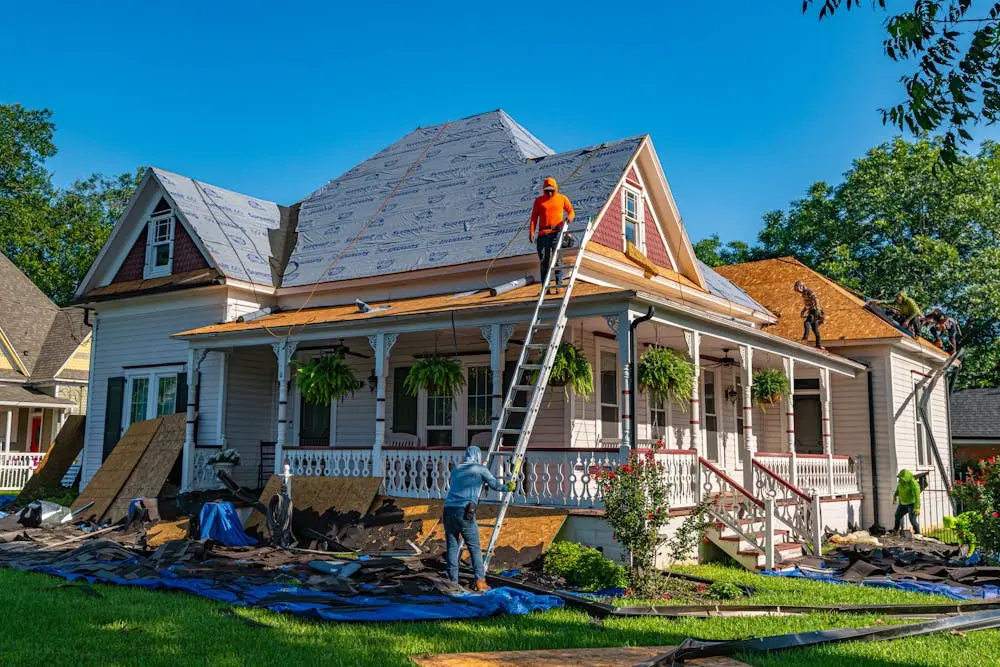
What the 5 Functional Requirements of a Roof Actually Mean
Every roof, no matter the material, has to handle five jobs at once:
- Keep water out through proper drainage and sealed layers.
- Support structural loads, including its own weight, wind pressure, and anyone walking on it during repairs.
- Provide insulation that keeps indoor temperatures stable and energy bills lower.
- Resist weather, including UV rays, wind, hail, and heavy rain, without breaking down early.
- Allow ventilation so heat and moisture do not build up underneath the surface.
A roof inspection checks all five of these at once, not just the surface you can see from the driveway.
Your roof protects everything under it, and it deserves more attention than a quick glance twice a year out of habit. Walk through the checklist above every spring and fall, keep an eye out after every storm, and bring in a professional when something looks off or when it is just time for your scheduled check.
If you want a team that treats your home the way they would treat their own, Houston Roofing & Improvements is ready to help. Our residential roofing team handles everything from small repairs to full replacements, and if you also manage a rental property or storefront, our commercial roofing services cover that too. Start with a thorough roof inspection and know exactly where your roof stands before small issues turn into big ones.
Visit hri-roof.com to schedule your free roof inspection and get an honest, no-pressure estimate.
Frequently Asked Questions
What should be included in the inspection checklist?
A full roof inspection checklist should cover shingles, flashing, seals, gutters, attic ventilation, interior ceiling signs, and any storm damage. Both the exterior surface and interior attic space need a look, since some problems only show up from the inside.
What to expect from a roof inspection?
Expect a walkthrough of your roof surface, attic, and gutters, followed by a written report. A good inspector will point out anything that needs monitoring, repair, or immediate attention, and explain it in plain language, not just hand you a bill.
What is on a home inspection checklist?
A general home inspection checklist covers the roof, foundation, plumbing, electrical systems, HVAC, and structural elements. The roof section is usually a visual check, which is why a separate, focused roof inspection catches more detail.
When to get a roof inspection?
Twice a year works best for Houston, once in spring before hurricane season and once in fall after it ends. Add an extra inspection any time after a major storm, regardless of your regular schedule.
What are the most important items to check when inspecting your roof?
Shingle condition, flashing and seals around penetrations, gutter drainage, and any signs of moisture in the attic or on interior ceilings. These four areas catch the majority of roof problems before they become expensive.
What are the essential items on a Texas home inspection list?
Roof condition, foundation stability, HVAC function, plumbing, electrical safety, and windstorm or hail damage history are the essentials for a Texas home inspection, given the state’s storm exposure and foundation soil movement.
What are the 5 functional requirements of a roof?
A roof needs to keep water out, support structural loads, provide insulation, resist weather damage, and allow proper ventilation. All five work together, and a weakness in one usually affects the others over time.
What should be included in the inspection checklist?
Along with the roof surface and flashing, a complete checklist should include gutters, attic ventilation, visible interior signs of leaks, and documentation like dated photos for insurance purposes.