If you have lived in Houston for more than one summer, you already know what your roof deals with. Triple digit heat in July. Sideways rain in September. Hail that shows up out of nowhere in the spring, and a hurricane threat that never fully goes away from June through November. Your roof takes all of it, every single year, without a day off.
That is exactly why the material you pick matters so much here. There are a lot of roofing options on the market today: tile, slate, wood shake, metal, concrete, and asphalt shingles. Each one has a fan base. But when you actually weigh cost, durability, looks, and how well a material performs in Gulf Coast weather, asphalt shingles keep winning for most Houston homes. They are not the flashiest option on the shelf. They just work, year after year, without draining your bank account.
Before you decide on any material though, get a proper roof inspection first. It tells you exactly what shape your current roof is in, whether your decking has any hidden damage, and whether a full replacement or a smaller repair actually makes sense for your situation.
In this guide, we are going to break this down properly. We looked at what the top roofing resources on this topic already cover, kept what is genuinely useful, added what most of them skip over, and organized it so you are not stuck decoding roofing jargon for twenty minutes. By the end, you will know exactly why asphalt shingles hold up in Houston, what they actually cost, how they compare to the alternatives, and how to pick the right one for your house.
Houston’s Climate and What It Actually Does to a Roof
Before comparing materials, it helps to understand what a Houston roof is fighting against every year.
Summer heat sits in the high 90s for weeks at a time, and roof surface temperatures can climb well past 150 degrees under direct sun. That kind of heat cycle, day after day, causes materials to expand and contract. Over years, this is what breaks down cheaper roofing products faster than people expect.
Humidity is the next problem. Houston averages well over 50 inches of rain a year, and the moisture in the air rarely lets up, even between storms. That constant dampness is exactly what algae, mold, and mildew need to take hold on a roof surface.
Then there is wind. Houston sits close enough to the Gulf that tropical storms and hurricanes are a real seasonal risk, not a rare event. Add in spring hailstorms, and a Houston roof needs to handle impact damage on top of everything else.
Any roofing material you choose has to survive all three of these conditions at once, for decades, without needing constant repair. That is the real test, and it is why the comparison below matters.
How Asphalt Shingles Compare to Other Roofing Materials
A lot of roofing content skips this part, but it is the most useful thing you can actually compare before spending thousands of dollars. Here is an honest look at how asphalt stacks up against the other common options.
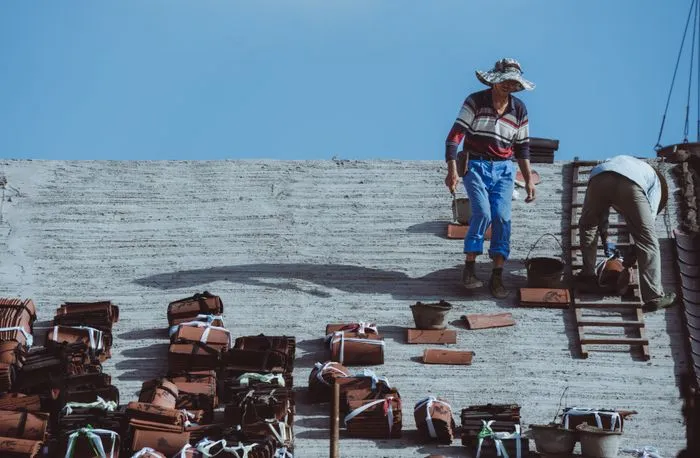
Wood shake shingles give a home a natural, rustic look that a lot of people love. The problem in Houston is moisture. Wood shake demands regular maintenance or it rots, warps, and grows mold fast in this climate. Installation is also more expensive, and the material cannot be recycled once it is replaced.
Roofing tile, whether clay or concrete, lasts a long time and gives homes a Spanish or Mediterranean look that fits certain Houston neighborhoods well. The catch is weight. Tile is heavy enough that some homes need extra structural support just to carry it. Tile is also fragile to walk on, which makes maintenance and repairs trickier and pricier.
Slate looks incredible and lasts longer than almost anything else on this list, but it comes at a steep price, both for the material and for the specialized labor needed to install it correctly. Like tile, it is heavy and breaks if walked on carelessly.
Concrete roofing has improved a lot over the years and can mimic the look of tile or wood shake at a lower weight than real tile. It holds up well and needs low maintenance, but it still costs more than asphalt and some early generation concrete products had issues with curling and color fading, though newer formulations have mostly fixed this.
Metal roofing has come back into style, and for good reason. It is durable, fire resistant, nearly maintenance free, and reflects heat well, which helps with energy bills. Research from the Florida Solar Energy Center found that metal roofing absorbs significantly less heat than asphalt shingles, and some homeowners report meaningful savings on cooling costs after switching. The downside is upfront cost, which runs noticeably higher than asphalt, and the installation requires a specialized crew.
Asphalt shingles land in the middle on almost every category, and that is exactly the point. They cost far less than tile, slate, or metal. They do not need special structural support. Nearly every licensed roofing crew in the Houston area can install them correctly, which keeps labor costs reasonable. And modern versions come with algae resistant granules and wind ratings that hold up against most Gulf Coast weather. You are not getting the absolute best number in any single category, but you are getting a strong number in every category, at the lowest overall cost. For most homeowners, that trade off wins.
Durability That Actually Matches Houston Weather
Asphalt shingles handle Houston’s three biggest threats better than most people give them credit for.
Heat resistance :
Modern asphalt shingles use a fiberglass mat coated in asphalt and topped with mineral granules. Those granules reflect UV rays and keep the sun from cooking the shingle from the outside in. Older shingle generations did not have this level of protection, which is part of why some aging roofs in the city fail faster than newer installations.
Wind performance :
Quality architectural shingles now carry wind ratings up to 110 to 130 mph when installed correctly, which covers most storm events Houston sees outside of a direct hurricane hit. The installation quality matters just as much as the shingle rating here. A shingle rated for 130 mph wind will still lift and fail early if the nailing pattern is wrong or the starter strip was skipped.
Hail resistance :
Impact resistant shingles, often labeled Class 4, use a reinforced mat that resists cracking and granule loss during hailstorms. If your neighborhood sees hail regularly, this upgrade is worth asking your contractor about, since some insurance companies also offer premium discounts for Class 4 shingles.
Water and humidity resistance :
Humidity is where a lot of roofing materials quietly fail in this city. Wood rots. Some lower grade tile cracks and lets water seep through the gaps. Asphalt shingles, especially ones with algae resistant granules, hold up far better against Houston’s mold and mildew problem. If you already notice dark streaks running down your roof, that is almost always algae, not dirt, and it is worth having a professional look at it before it spreads across the whole roof.
Cost-Effectiveness Without the Trade-Offs
This is the part most Houston homeowners care about the most, and for good reason.
Asphalt shingles cost significantly less than tile, slate, or metal, both for the material itself and for installation. A tile roof needs extra structural support because of its weight. Slate needs a specialist crew because one wrong step can crack the material. Metal needs trained installers familiar with seaming and flashing techniques that differ completely from shingle work. Asphalt shingles need none of that. Almost every licensed roofing crew in the Houston area can install them correctly, which keeps labor costs down.
Here is what that cost-effectiveness looks like in practice:
- Lower upfront material cost compared to tile, slate, or metal
- Lower labor cost since installation is faster and does not require specialized crews
- Lower repair cost since replacing a section of shingles is simple and does not involve matching rare or discontinued materials
- No need for extra structural reinforcement, unlike heavier materials like tile or slate
- Lower cost per year of expected lifespan when you factor in the total cost against how long the roof lasts
Homeowners often assume the cheaper option means a shorter lifespan or a weaker warranty. With today’s asphalt shingles, that assumption does not really hold up anymore. Manufacturers like GAF, Owens Corning, and CertainTeed back their products with warranties running 25 to 50 years depending on the shingle line, and many come with wind and algae resistance riders built in. That is a lot of protection for the price, and it is a big reason asphalt still leads the market nationally, not just in Houston.
Superior Warranties and Long-Term Protection
A warranty is only useful if you understand what it actually covers, and this is where a lot of homeowners get caught off guard.
Most manufacturer warranties fall into two categories. A material only warranty covers defects in the shingle itself but not the labor to replace it. A workmanship warranty, offered by the installing contractor, covers labor if the roof fails due to installation error. The best protection comes from having both in writing before work begins.
Look for these details before signing anything:
- The length of the material warranty, typically 25 to 50 years depending on the product line
- Whether the warranty is prorated, meaning the payout decreases the older the roof gets
- Whether wind and algae resistance are included or sold as separate add ons
- Whether the contractor offers a separate workmanship warranty, and for how long
- Whether the warranty is transferable if you sell your home, since this can be a genuine selling point
A shingle with a strong warranty backing it is usually a signal of better manufacturing quality overall, since manufacturers do not offer long warranties on products they expect to fail early.
Aesthetic Appeal That Fits Any Houston Neighborhood
Houston is not one style of house. You have Craftsman bungalows in the Heights, modern builds in the Energy Corridor, traditional brick homes across the suburbs, and everything in between. Asphalt shingles work with all of it.
Manufacturers now produce dozens of colors and textures, from flat traditional three tab shingles to dimensional architectural shingles that mimic the look of wood shake or slate at a fraction of the price. If your home has a specific color palette or a historic look you want to preserve, there is almost always an asphalt option that matches it closely.
This flexibility matters more than people give it credit for. A roof covers a large visual portion of your home’s exterior. Getting the color and texture wrong can throw off your entire curb appeal, and getting it right can genuinely raise your home’s resale value. Real estate agents in Houston consistently point to roof condition and appearance as one of the first things buyers notice during a showing.
Energy Efficiency and Environmental Considerations
Houston summers are brutal on cooling bills, and your roof plays a bigger role in that than most homeowners realize. Lighter colored asphalt shingles and shingles with reflective granules reduce how much heat your attic absorbs. The Department of Energy notes that cool roofing materials can lower roof surface temperature significantly compared to darker, non reflective materials, which translates to a cooler attic and less strain on your air conditioning system.
On the environmental side, asphalt shingles have improved too. Many manufacturers now offer Class A fire rated products made with recycled content, and old shingles can often be recycled into asphalt pavement instead of sitting in a landfill for decades. That is a meaningful upgrade from where the industry stood even ten years ago.
If your energy bills spike every summer, the color and grade of your shingles could be part of the reason, and it is worth asking your contractor about reflective or ENERGY STAR rated options during your next roof replacement.
Lasting Performance and What Actually Affects It
A properly installed asphalt shingle roof in Houston typically lasts between 20 and 30 years, depending on the shingle grade and how well it gets maintained. Higher end architectural shingles with algae resistant coatings tend to sit at the top of that range. Basic three tab shingles sit closer to the bottom, especially with Houston’s heat and humidity working against them every day.
A few things determine where your roof lands in that range:
- Ventilation. Poor attic ventilation traps heat under the shingles, which shortens their lifespan significantly. A well ventilated attic keeps shingle temperatures lower and reduces the daily stress on the material.
- Installation quality. Nailing patterns, underlayment choice, and flashing details around chimneys and vents matter as much as the shingle brand. A great shingle installed poorly will still fail early.
- Maintenance. Annual inspections catch small problems, like lifted shingles or clogged gutters, before they turn into water damage inside your home.
- Age and condition of the home. If you own an older Houston home, the original roof deck and ventilation setup were likely designed for older materials. Upgrading to modern asphalt shingles on an older Houston home often requires a few adjustments first, like improved ventilation or new decking, to get the full lifespan out of the new roof.
- Sun exposure and tree coverage. Roofs with heavy afternoon sun exposure tend to age faster than shaded roofs, while roofs under heavy tree cover deal with more debris buildup and moisture retention.
Choosing the Right Asphalt Shingle for Your Home
Not all asphalt shingles are built the same, and picking blindly can cost you down the road. Keep these factors in mind when comparing options with your contractor.
- Wind rating. Look for shingles rated at least 110 to 130 mph, especially if your home sits closer to the coast or in an area prone to strong storms.
- Algae resistance. Given Houston’s humidity, this is not optional. Skipping it means dealing with streaking and buildup within a few years, no matter how good the rest of the shingle is.
- Impact rating. If your area sees regular hail, a Class 4 impact resistant shingle can reduce damage and may lower your insurance premium.
- Warranty length. Compare manufacturer warranties closely. A longer warranty usually signals a better quality shingle, but read what it actually covers, since some only cover material defects and not labor.
- Architectural vs three tab. Architectural shingles cost more upfront but last longer and look better with dimensional shadow lines. For most Houston homes, the extra cost is worth it over the life of the roof.
- Roof pitch and structure. Steeper roofs shed water and debris faster, which can extend shingle life, while flatter roofs need extra attention to drainage and flashing details.
Why Professional Installation Makes or Breaks the Roof
You can buy the best shingle on the market and still end up with a roof that fails in five years if it gets installed wrong. Nailing patterns, starter strip placement, and flashing around penetrations are where most roofing failures actually begin, not with the shingle itself.
A few signs of a reputable roofing contractor:
- Licensed and insured, with proof available on request
- Pulls the required City of Houston roofing permit before work begins
- Offers a written estimate that breaks down material and labor separately
- Provides a workmanship warranty on top of the manufacturer’s material warranty
- Uses proper underlayment and flashing details instead of cutting corners to save time
On the permit note, most full roof replacements in Houston require a permit through the Houston Permitting Center, along with an inspection before final approval. Skipping that step can create real problems later, whether you are filing an insurance claim or trying to sell your home down the line. A contractor who handles this for you without being asked is usually a good sign that they take the process seriously.
Insurance Considerations Worth Knowing
Your choice of shingle can actually affect your homeowners insurance, and this rarely gets mentioned in roofing content aimed at homeowners.
Insurers in storm prone areas like Houston sometimes offer premium discounts for impact resistant, Class 4 rated shingles, since these reduce the likelihood of a hail damage claim. Some policies also factor in the age and condition of your roof when calculating premiums or determining whether they will renew a policy at all. A roof past 20 years old with no documented maintenance history can sometimes trigger a higher premium or a request for an inspection before renewal.
Keeping records of your roof installation date, the shingle brand and warranty, and any annual inspections can make insurance claims and renewals go a lot smoother if you ever need to use them.
Maintenance Tips to Get the Most Out of Your Roof
Asphalt shingles are low maintenance compared to most alternatives, but low maintenance does not mean zero maintenance. A few habits go a long way toward getting the full lifespan out of your investment.
- Get a professional roof inspection once a year, ideally before hurricane season starts in June
- Clean gutters at least twice a year to prevent water backup under the shingles
- Trim overhanging branches that scrape shingles or drop debris onto the roof surface
- Check the attic occasionally for signs of moisture, mold, or daylight coming through the roof deck
- Address missing or lifted shingles quickly instead of waiting for the next storm to make the damage worse
- Keep an eye out for granule loss in your gutters, which can signal that shingles are aging faster than expected
If your roof is showing its age, or you just want a second opinion before storm season hits, the team at Houston Roofing & Improvements can walk your roof with you and give you a straight answer on what it actually needs. Reach out for a free consultation and find out which shingle option fits your home and your budget.
Frequently Asked Questions
What are the advantages of asphalt shingles?
Asphalt shingles offer strong durability against wind, heat, and moisture, a lower cost than most other roofing materials, a wide range of colors and styles, and a straightforward installation process that most licensed roofers can handle. They also come with solid manufacturer warranties, often 25 years or longer, and options like algae resistance and impact resistance that fit Houston’s climate specifically.
What are the best asphalt shingles for Texas?
Architectural shingles with a high wind rating, generally 110 to 130 mph, and algae resistant granules tend to perform best across Texas. Brands like GAF, Owens Corning, and CertainTeed all offer product lines built specifically for hot, humid, storm prone climates like Houston’s. If hail is a regular concern in your area, a Class 4 impact resistant option is worth the added cost.
How long do asphalt shingles last in Houston?
Most properly installed asphalt shingle roofs in Houston last between 20 and 30 years. Higher grade architectural shingles with good ventilation and regular maintenance tend to land at the higher end of that range, while basic three tab shingles with poor ventilation age faster.
What is the best roof for Texas weather?
For most homes, asphalt shingles hit the best balance of cost, durability, and style for Texas weather. Metal roofing is a solid alternative if you want a longer lifespan and do not mind the higher upfront cost, and tile or concrete can work well for certain architectural styles. But for the majority of Houston homeowners, a quality architectural asphalt shingle roof covers the bases without stretching the budget past what makes sense.