If you own a home or a business in Houston, your roof deals with more than most roofs ever will. One month it’s baking under 100-degree heat. The next it’s getting hammered by three inches of rain in an hour. Add hurricane season into the mix, and it’s easy to see why flat roofs here wear out faster than roofs in milder climates.
The good news is you don’t need to spend a fortune to get a flat roof that holds up. You just need to know what you’re buying, what actually matters for Houston’s weather, and how to avoid the mistakes that lead to leaks two years down the road.
This guide walks you through everything: the types of flat roofs available, real cost ranges, what makes sense for a tight budget, and how to tell when you need a repair instead of a full tear off.
Why Flat Roofs Are So Common in Houston
Walk through any commercial strip, warehouse district, or older Houston neighborhood, and you’ll see flat or low slope roofs everywhere. There’s a reason for that.
Flat roofs cost less to build than pitched roofs because they use less material and less labor. They also give you usable rooftop space for HVAC units, solar panels, or storage, which matters a lot for commercial buildings. For homeowners with additions, garages, or mid-century style homes, a flat or low slope section is often just part of the original design.
The tradeoff is that flat roofs have to work harder to keep water out. A sloped roof sheds rain quickly because gravity does the work. A flat roof has to rely on a fully sealed membrane and a drainage system that actually works, since water can sit on the surface if anything goes wrong.
That’s exactly why the material you choose, and the company that installs it, matters more on a flat roof than on almost any other type of roofing.
How Houston’s Climate Beats Up Your Roof
Before picking a roofing system, it helps to understand what you’re actually up against.
Heat and humidity. Houston sees average summer highs in the mid to upper 90s, and the humidity rarely lets up. Relative humidity often sits above 70 percent, and the heat index can climb past 110 degrees on the worst days. That constant heat causes roofing materials to expand during the day and contract at night, which over years leads to cracking, splitting, and weakened seams.
Heavy rain. Houston gets over 50 inches of rain a year, spread across roughly 100 rainy days, according to the National Weather Service. That’s a lot more than most U.S. cities. Ponding water, clogged drains, and slow leaks are common problems if a flat roof wasn’t installed with proper slope and drainage.
Hurricane season. Houston sits well within the hurricane risk zone, with the official season running from June through November. High winds can lift membranes, tear flashing, and rip off poorly secured edges. A roof installed without hurricane-grade attachment methods is a real liability here.
UV exposure. With over 2,600 hours of sunshine a year, UV rays break down cheaper roofing materials faster than in cloudier regions. This is one reason reflective, UV-resistant membranes tend to outperform older asphalt systems in Houston specifically.
Any roofing solution you pick needs to handle all four of these at once. That rules out a lot of “one size fits all” advice you’ll find online.
Types of Flat Roofing Systems (And Which Ones Actually Work in Houston)
There isn’t one single “best” flat roof material. Each one has a job it does well and a situation where it falls short. Here’s an honest breakdown.
TPO (Thermoplastic Polyolefin)
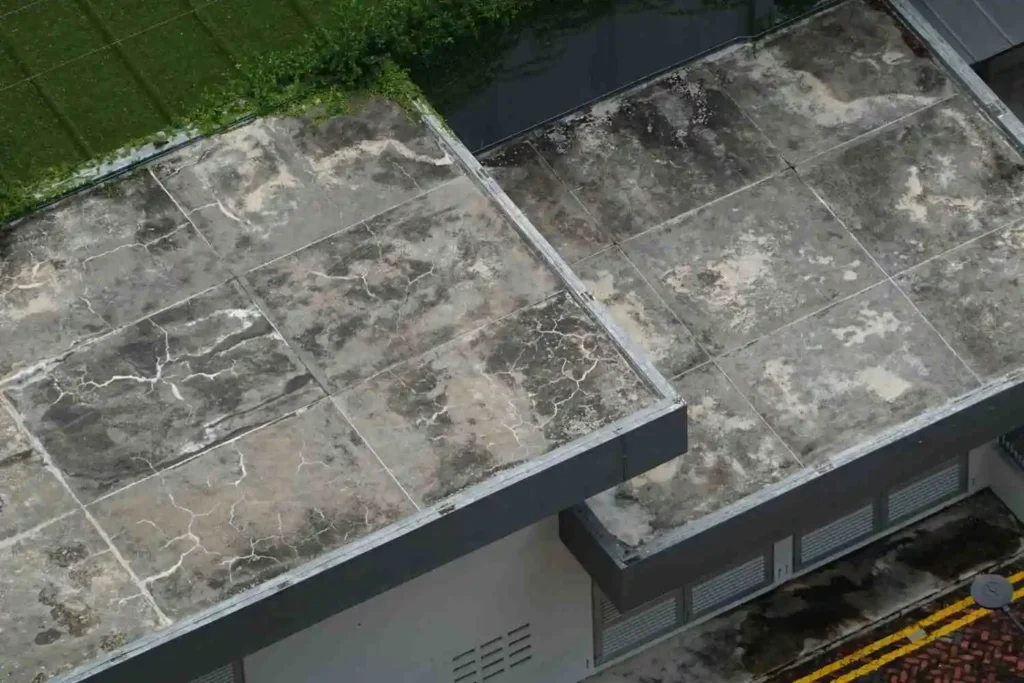
TPO is the most installed flat roofing material for commercial buildings today, and for good reason. It’s a white, heat welded membrane that reflects sunlight instead of absorbing it, which helps keep cooling costs down in a city like Houston where air conditioning runs almost year round.
- Reflects a large percentage of sunlight, which reduces roof surface temperature significantly compared to dark roofing
- Seams are heat welded, so they’re strong and less likely to leak over time
- Mid range price point, generally more affordable than PVC
- Weaker option for buildings with rooftop grease exposure, like restaurants
EPDM (Rubber Roofing)
EPDM is a synthetic rubber membrane that’s been around for decades. It’s flexible, forgiving, and one of the most budget-friendly roofing options on the market.
- Lowest average material cost among single-ply systems
- Handles temperature swings and flexes well without cracking
- Available in black, which absorbs more heat, so it’s not always ideal for Houston’s summers unless you choose a white or reflective version
- Slightly more vulnerable to punctures than TPO or PVC
PVC (Polyvinyl Chloride)
PVC is a tougher, more chemical-resistant membrane. If your building has restaurant vents, industrial exhaust, or anything releasing grease or oil onto the roof, PVC is often required because EPDM and TPO can break down from that kind of exposure.
- Highly resistant to chemicals, grease, and fire
- Long lifespan, often 20 to 30 years with proper maintenance
- Higher upfront cost than TPO or EPDM
- A smart pick for commercial kitchens or industrial sites
Modified Bitumen
This is an evolved version of the old built-up tar and gravel roof, made from asphalt reinforced with fiberglass or polyester and topped with granules similar to shingles.
- Very puncture and impact resistant, good for roofs that get foot traffic
- Mid-range cost, and widely available since most contractors know how to install it
- Installation involves torch-down heat or cold adhesives, so it needs an experienced crew
- Performs well through Houston’s heavy storms and hail
Built-Up Roofing (BUR)
The classic tar and gravel roof. It’s been used for over a century and is known for durability, but it’s heavier, takes longer to install, and is being replaced by single-ply systems on most new builds.
If you’re comparing all of these side by side, here’s a simple way to think about it. TPO for energy savings and a good balance of cost and performance. EPDM if budget is the top priority and the roof isn’t heavily exposed to grease or chemicals. PVC if you run a restaurant, industrial site, or want the longest possible lifespan. Modified bitumen if your roof gets a lot of foot traffic or you want a proven, storm tested option.
Affordable Flat Roof Alternatives When Full Replacement Isn’t in the Budget
Not every roofing problem needs a full tear off. If your current roof still has some life left, there are a few ways to stretch your budget further.
Roof coatings. A reflective roof coating can be applied over an existing membrane to extend its life, improve waterproofing, and cut down on heat absorption. This is one of the most affordable ways to add years to a roof without a full replacement.
Recover systems. In some cases, a new membrane can be installed directly over the existing roof instead of tearing the old one off completely. This saves on labor and disposal costs, though it only works if the roof deck and existing layers are in decent shape.
Targeted repairs. Sometimes the issue isn’t the whole roof, it’s a specific seam, flashing point, or drainage area. Fixing the actual problem area instead of replacing everything can save thousands. If you’re seeing signs of trouble but aren’t sure whether it’s a small fix or something bigger, a professional roof repair can identify exactly what’s needed before you commit to a full replacement.
Preventive maintenance plans. Regular inspections catch small problems while they’re still cheap to fix. A five dollar seam repair today beats a five thousand dollar interior water damage bill next year.
What Flat Roofing Actually Costs in Houston
Prices vary based on square footage, material, roof condition, and access, but here’s a general range you can expect for materials and installation combined.
- EPDM: Roughly $4.50 to $8 per square foot installed
- Modified Bitumen: Roughly $4 to $8 per square foot installed
- TPO: Roughly $5.50 to $9 per square foot installed
- PVC: Roughly $6 to $12 per square foot installed
Keep in mind these numbers shift depending on the size of the job, how much of the old roof needs to be removed, the condition of the decking underneath, and how easy the roof is to access. A 2,000 square foot commercial roof will have a lower per-square-foot cost than a small, complicated residential flat section with lots of vents and equipment in the way.
If a quote comes in far below these ranges, that’s usually a red flag, not a deal. Cutting corners on flat roofing in Houston’s climate almost always costs more in the long run through leaks, mold, and early replacement.
Signs Your Flat Roof Needs Attention
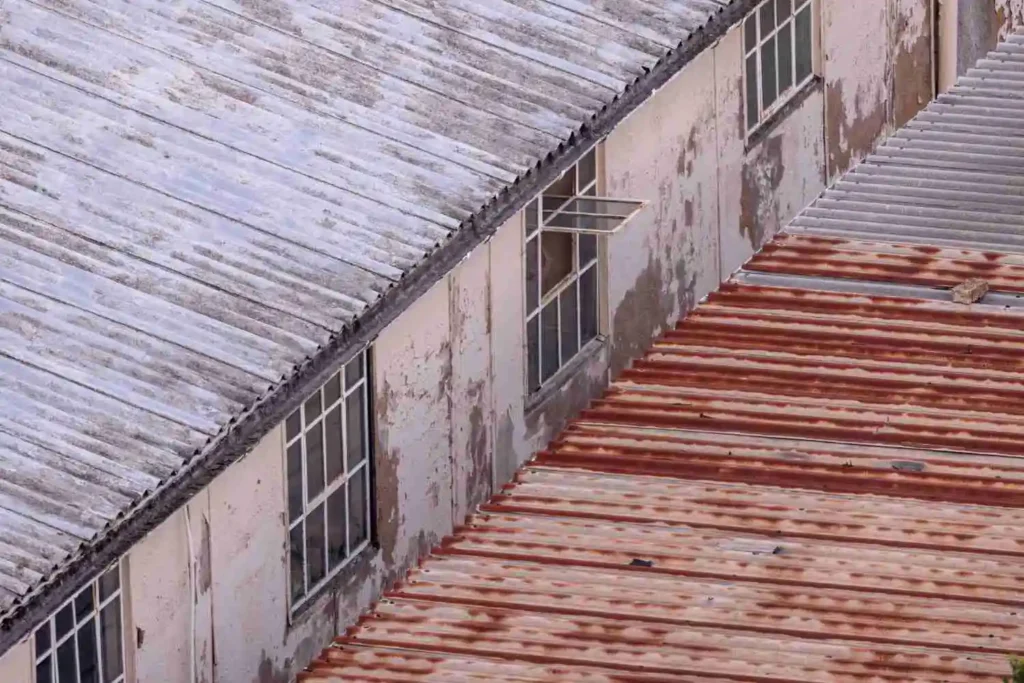
Flat roofs don’t always show obvious warning signs from the ground, which is part of why so many problems go unnoticed until there’s water damage inside. Watch for these:
- Ponding water that sits for more than 48 hours after rain
- Bubbling, blistering, or cracking on the membrane surface
- Soft spots when walking on the roof
- Water stains on interior ceilings, especially near roof penetrations
- Rising energy bills, which can point to failing insulation or a roof that’s absorbing too much heat
- Visible rust or gaps around flashing and vents
- Debris buildup blocking drains
If you spot any of these, don’t wait. A small leak in Houston’s humidity can turn into mold growth within days. It’s worth walking through a full check yourself first. This roof inspection checklist for Houston breaks down exactly what to look for, section by section, so you know what you’re dealing with before calling anyone out.
How to Pick a Roofing Company in Houston
With so many roofing companies advertising in Houston, it’s worth knowing what actually separates a solid contractor from one that’ll leave you with problems.
Check for proper licensing and insurance. Texas doesn’t require a statewide roofing license, which means it’s on you to verify a company carries liability insurance and workers’ compensation coverage. Ask for proof before signing anything.
Look for manufacturer certifications. Reputable companies are certified installers for the materials they use, like TPO or PVC systems. This usually means better warranty coverage and fewer installation mistakes.
Read local reviews, not just star ratings. Look for patterns in the actual comments. Are people mentioning on-time arrival, clear communication, and clean job sites? Or are there repeated complaints about delays and unreturned calls?
Get a written, itemized estimate. A trustworthy contractor breaks down material costs, labor, disposal, and any additional charges clearly. Vague, one-line quotes are a warning sign.
Ask about warranty terms. Both the material warranty (from the manufacturer) and the workmanship warranty (from the contractor) matter. Make sure you understand what’s covered and for how long.
Confirm they understand local codes and weather requirements. Houston has specific wind uplift and drainage considerations that a contractor unfamiliar with the area might miss.
Taking an extra day to vet a contractor properly is a lot cheaper than paying twice for the same roof.
Maintenance Tips to Make Your Flat Roof Last Longer
A quality flat roof can last 15 to 30 years depending on the material, but only if it’s maintained. Houston’s climate isn’t gentle on any roof, so a little upkeep goes a long way.
- Clear debris and check drains after every major storm
- Schedule a professional inspection twice a year, ideally before and after hurricane season
- Trim overhanging tree branches that drop leaves and debris onto the roof
- Address small leaks or cracks immediately instead of waiting
- Keep an eye on flashing around vents, pipes, and rooftop units since these are common failure points
- Consider a reflective coating if your roof is dark colored, since it can lower surface temperatures noticeably and ease strain on the material
A reflective roof can stay dramatically cooler than a dark roof on a sunny afternoon, which reduces both cooling costs and the wear and tear caused by heat cycling. The Environmental Protection Agency also points out that cool roofing helps reduce the urban heat island effect, something Houston deals with directly given its size and density.
Flat roofing in Houston isn’t just about finding the lowest quote. It’s about matching the right material to your building, your budget, and a climate that throws heat, rain, and hurricanes at your roof every single year. TPO, EPDM, PVC, and modified bitumen all have their place, and the right choice depends on your specific situation, not a generic recommendation.
Whether you’re dealing with early warning signs, planning a full replacement, or just want a second opinion before committing to a contractor, it helps to talk to someone who works on Houston roofs every day and understands exactly what this climate demands.
If you’re ready to get a straight answer about your roof, HRI Roofing can walk you through your options, give you an honest cost estimate, and help you choose a solution built to actually last in Houston’s weather.
Frequently Asked Questions
How long do flat roofs last in Houston?
Most flat roofing systems last between 15 and 30 years depending on the material and how well it’s maintained. TPO and PVC tend to last on the higher end of that range, while EPDM and modified bitumen fall somewhere in the middle if properly cared for.
What is the cheapest flat roofing option?
EPDM is generally the most affordable single-ply option upfront. That said, cheapest isn’t always best long term. A roof coating or recover system can also be a budget-friendly way to extend an existing roof’s life without a full replacement.
Can a flat roof handle Houston’s heavy rain?
Yes, as long as it’s installed with correct slope, working drains, and a fully sealed membrane. Ponding water is usually a sign of a drainage or installation issue, not a flaw in flat roofs as a category.
Is a white or reflective roof worth it in Houston?
For most buildings, yes. Reflective roofing lowers surface temperature and can cut cooling costs, which matters in a city where air conditioning runs most of the year. It also tends to slow down material degradation caused by heat.
How often should I get my flat roof inspected?
Twice a year is a solid baseline, ideally once before hurricane season and once after. If your building has a history of leaks or is older, more frequent checks are worth it.
Do I need a permit for flat roof replacement in Houston?
In most cases, yes, a roofing permit is required for replacement work. A licensed local contractor will typically handle the permitting process as part of the job.